How Termites Enter Homes and Commercial Structures
People seeking termite control aim to prevent and eliminate infestations by addressing how termites enter homes and structures, with local contractors ready to provide effective solutions.
Understanding how termites enter homes and commercial structures is essential for property owners looking to protect their investments. These pests often find their way indoors through small cracks in the foundation, gaps around utility lines, or areas where wood contacts soil. Recognizing these entry points can help owners identify vulnerabilities before an infestation begins, making preventative measures more effective. Local contractors specializing in termite control are equipped to assess properties, identify potential entry sites, and recommend targeted solutions to keep these unwelcome visitors out.
For those in the area concerned about termite activity, knowing how these insects gain access offers practical insights into safeguarding buildings. Many local service providers offer inspections and treatments designed to address common entry points and eliminate existing colonies. Staying informed about how termites enter structures can empower property owners to work with experienced professionals who can implement effective barriers and treatments, helping to preserve the integrity and value of their property over time.
- **Subterranean Termite Treatment** - homeowners noticing signs of underground termite activity can rely on local contractors to identify entry points and treat soil around the structure.
- **Drywood Termite Inspection** - commercial property owners seeking to prevent infestations may contact local pros to examine wood structures and implement targeted treatments.
- **Wood Damage Repair and Prevention** - individuals with damaged wood components might work with local service providers to assess how termites entered and reinforce vulnerable areas.
- **Mud Tube Removal and Exclusion** - property managers wanting to stop termite entry can have local pros remove mud tubes and seal entry points to prevent future invasions.
- **Mosquito and Pest Barrier Treatments** - those concerned about pests entering through foundation cracks or openings can connect with local contractors to establish effective barriers.
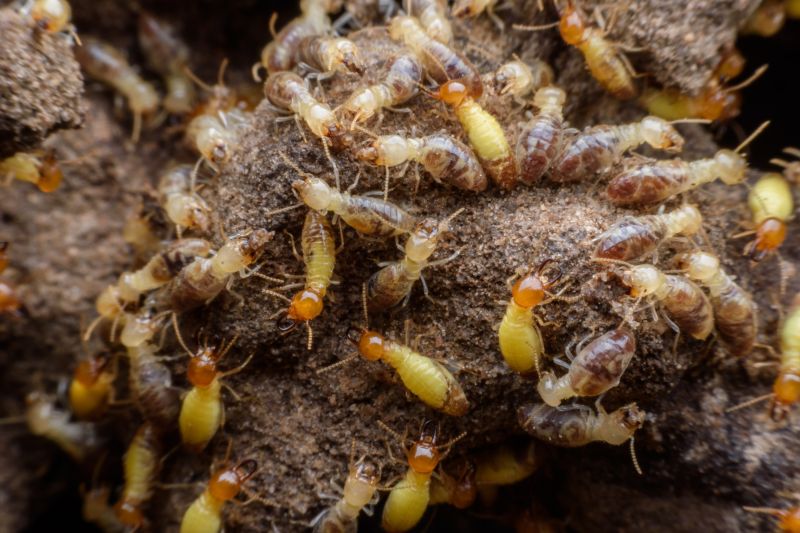

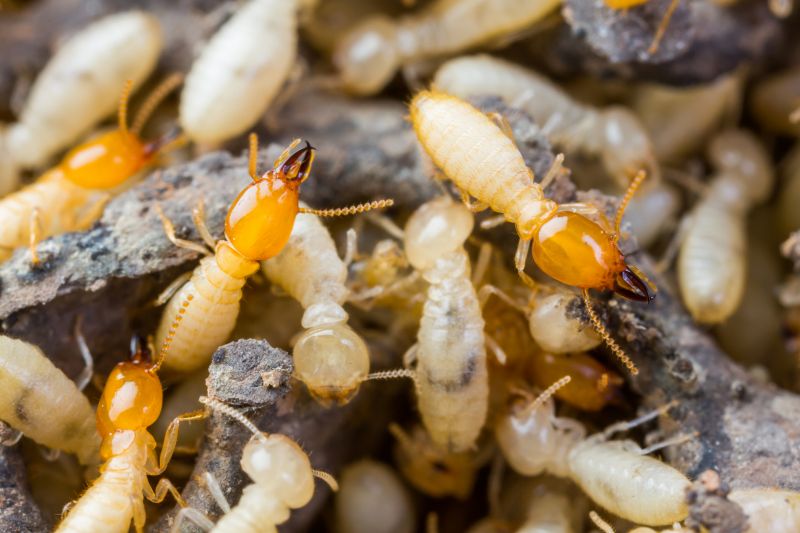
Understanding how termites enter homes and commercial structures is a common concern for property owners looking to prevent infestations. When people search for this topic, they often want to learn about the specific pathways termites use to gain access to buildings, so they can better protect their properties. This knowledge helps homeowners and business owners identify potential vulnerabilities and take proactive steps to reduce the risk of damage. Recognizing these entry points is especially important for those planning pest control treatments or considering preventative measures, making it a key part of property maintenance and management strategies.
The problems related to termite entry typically involve structural damage, costly repairs, and ongoing pest management efforts. Property owners may be planning renovations, new constructions, or repairs and want to ensure that their structures are resistant to termite intrusion. Others may be dealing with the aftermath of an infestation and are seeking ways to prevent future problems. Understanding how termites enter helps in developing effective control plans, whether through barrier treatments, soil inspections, or physical modifications. Local service providers specializing in termite control can assess a property’s vulnerabilities and recommend tailored solutions to keep these pests out.
Certain types of properties are more commonly associated with termite entry points. Homes with wooden foundations, porches, decks, or siding are especially vulnerable, as these features provide easy access for termites. Commercial structures such as warehouses, office buildings, or retail spaces that have wooden components or are built on soil are also at higher risk. Additionally, properties near wooded areas, with poor drainage, or with existing wood-to-soil contact are more likely to experience termite entry. Recognizing these property types helps owners understand their specific risks and how professional termite control services can help address those vulnerabilities effectively.
Local contractors who specialize in termite control play a crucial role in identifying how termites enter buildings and implementing solutions to prevent infestations. They conduct thorough inspections to locate potential entry points, such as cracks in foundations, gaps around utility lines, or wood-to-soil contact. Based on their findings, they can recommend targeted treatments, physical barriers, or moisture management strategies. Connecting with these service providers allows property owners to develop comprehensive plans that address the specific ways termites might gain access, ultimately helping to protect the structural integrity and value of their properties.
Foundation Repair Projects - professionals in foundation repair understand how structural vulnerabilities can create entry points for termites and can help prevent infestations by addressing these issues.
Wood Repair and Replacement - local contractors skilled in wood repair can identify and replace damaged wood, which is often a pathway for termites entering buildings.
Moisture Control Services - managing moisture levels around structures is crucial, as damp environments attract termites seeking ideal conditions for entry and survival.
Siding and Exterior Repair - experts who repair or replace damaged siding help eliminate cracks and gaps that termites use to access interior spaces.
Drainage System Installations - installing proper drainage helps reduce soil moisture around foundations, making structures less attractive to termites.
Structural Inspection Services - comprehensive inspections by local service providers can identify potential entry points and vulnerabilities that termites may exploit.
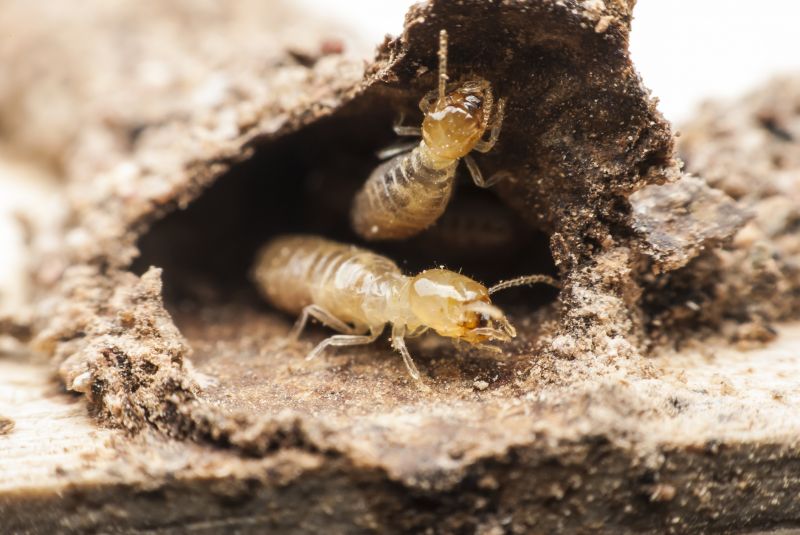
When comparing service providers for termite control, it’s important to consider their experience with similar projects involving how termites enter homes and commercial structures. An experienced contractor will have a better understanding of common entry points, such as cracks in the foundation, gaps around utility lines, or wood-to-soil contact, and will be able to tailor their approach accordingly. Asking about their past work on properties similar in size, structure, or construction type can help gauge their familiarity with the specific challenges associated with identifying and blocking termite entry points effectively.
Clarity in communication and well-defined written expectations are crucial when selecting a termite control provider. A reputable contractor should be able to clearly explain their recommended methods for preventing termites from entering a building, including inspection procedures, treatment options, and ongoing maintenance plans. It’s beneficial to review any written estimates or service agreements to ensure they outline the scope of work, what is included, and any follow-up measures. This transparency helps prevent misunderstandings and ensures that the homeowner understands what to expect from the service.
Reputable references and strong communication skills are also key factors in choosing a reliable service provider. A contractor with positive references from previous clients can offer insight into their professionalism, reliability, and effectiveness in handling termite entry issues. Good communication throughout the process-prompt responses to questions, clear explanations of findings, and updates on progress-can make the experience smoother and more predictable. When comparing local contractors, prioritizing those with established reputations and a track record of attentive customer service can lead to a more confident and satisfactory outcome in termite control efforts.
Property owners often search for how termites enter homes and commercial structures when they are planning practical projects around their homes and businesses. Local pros provide Termite Control services for everyday jobs and straightforward project options.
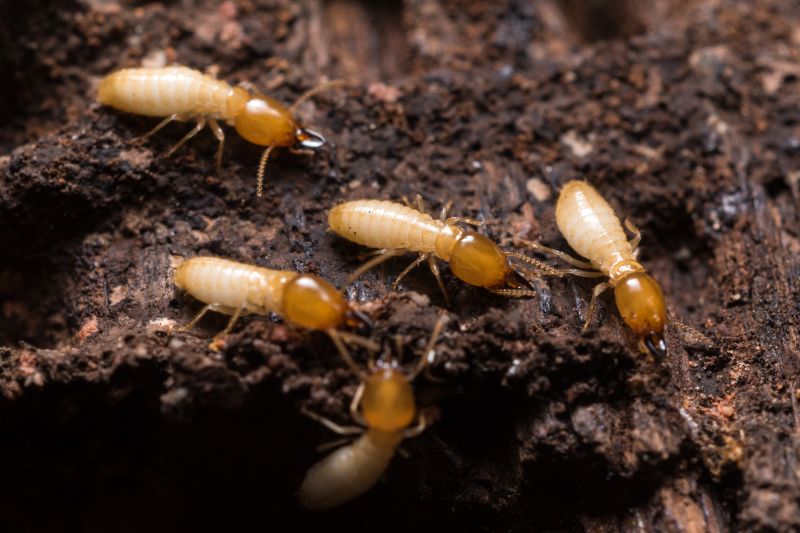
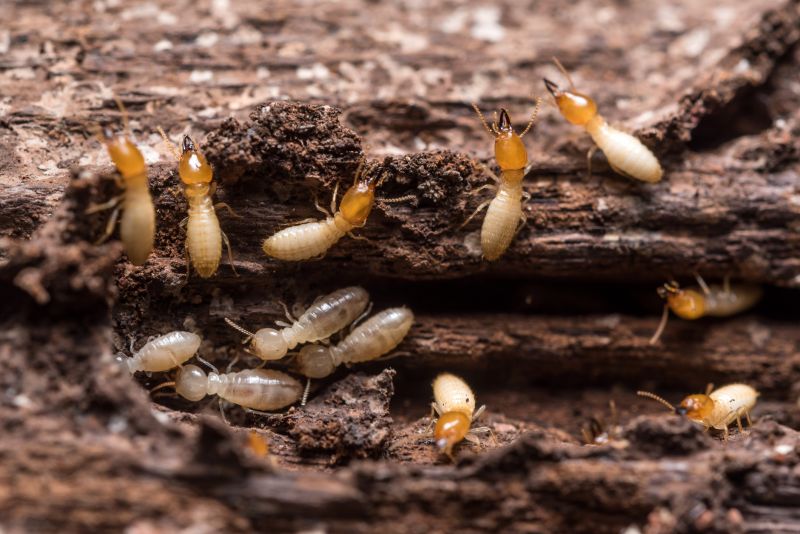
Understanding how termites enter homes and commercial structures is an important step for property owners concerned about potential infestations. Typically, termites gain access through cracks in the foundation, gaps around windows and doors, or damaged siding. They can also find their way in via wood that's in direct contact with the ground or through areas where moisture accumulates, such as leaky pipes or poorly maintained gutters. Recognizing these common entry points helps property owners identify vulnerable spots and consider professional termite control services to address any existing issues or prevent future problems.
Many property owners in the area seek termite control services after noticing signs of termite activity or wanting to safeguard their structures from potential damage. Local contractors offer inspections to identify how termites might be entering and to assess the extent of any infestation. They can then recommend targeted treatments or preventative measures to block entry points and eliminate colonies. Connecting with experienced service providers ensures that homes and commercial buildings are protected from the costly consequences of termite damage, providing peace of mind for property owners concerned about these persistent pests.
How do termites typically enter homes and commercial structures? Termites usually enter through cracks in the foundation, gaps around utility lines, or damaged wood. They can also access structures via soil contact or existing openings in walls and floors.
What are common entry points for termites in buildings? Common entry points include basement vents, door and window frames, plumbing penetrations, and areas where the building’s exterior is in direct contact with soil.
How can local service providers help prevent termite entry? Local contractors can inspect for vulnerabilities, recommend repairs to seal entry points, and apply treatments that create a barrier against termites entering the structure.
Are there signs that termites have already entered a building? Signs include mud tubes on walls or foundations, damaged wood that sounds hollow, and discarded wings near entry points, indicating termite activity inside.
Can regular inspections reduce the risk of termites entering a property? Yes, periodic inspections by experienced service providers can identify potential entry points early and help implement preventive measures to reduce the risk of infestation.
Identify entry points around the property - inspecting gaps, cracks, and openings can help determine where termites might enter, enabling property owners to work with local contractors to seal these areas.
Maintain proper moisture levels - addressing leaks and drainage issues can reduce attractants for termites, with local service providers offering solutions to manage moisture around structures.
Remove wood debris and cellulose materials - clearing away wood piles, mulch, and other cellulose sources near the foundation can limit termite access, and local pros can assist with proper cleanup and prevention strategies.
Inspect and reinforce structural barriers - ensuring that foundations, vents, and utility openings are properly sealed can prevent termite entry, with local contractors providing professional sealing and barrier installation services.
If you are thinking about how termites enter homes and commercial structures for a property, this guide is meant to help you understand this topic, the typical project types, and how different options might fit your plans.
When you are ready, you can use the quote form on this page to share a few details about your project. From there, local pros can review the basics and follow up with options that match what you have in mind.